

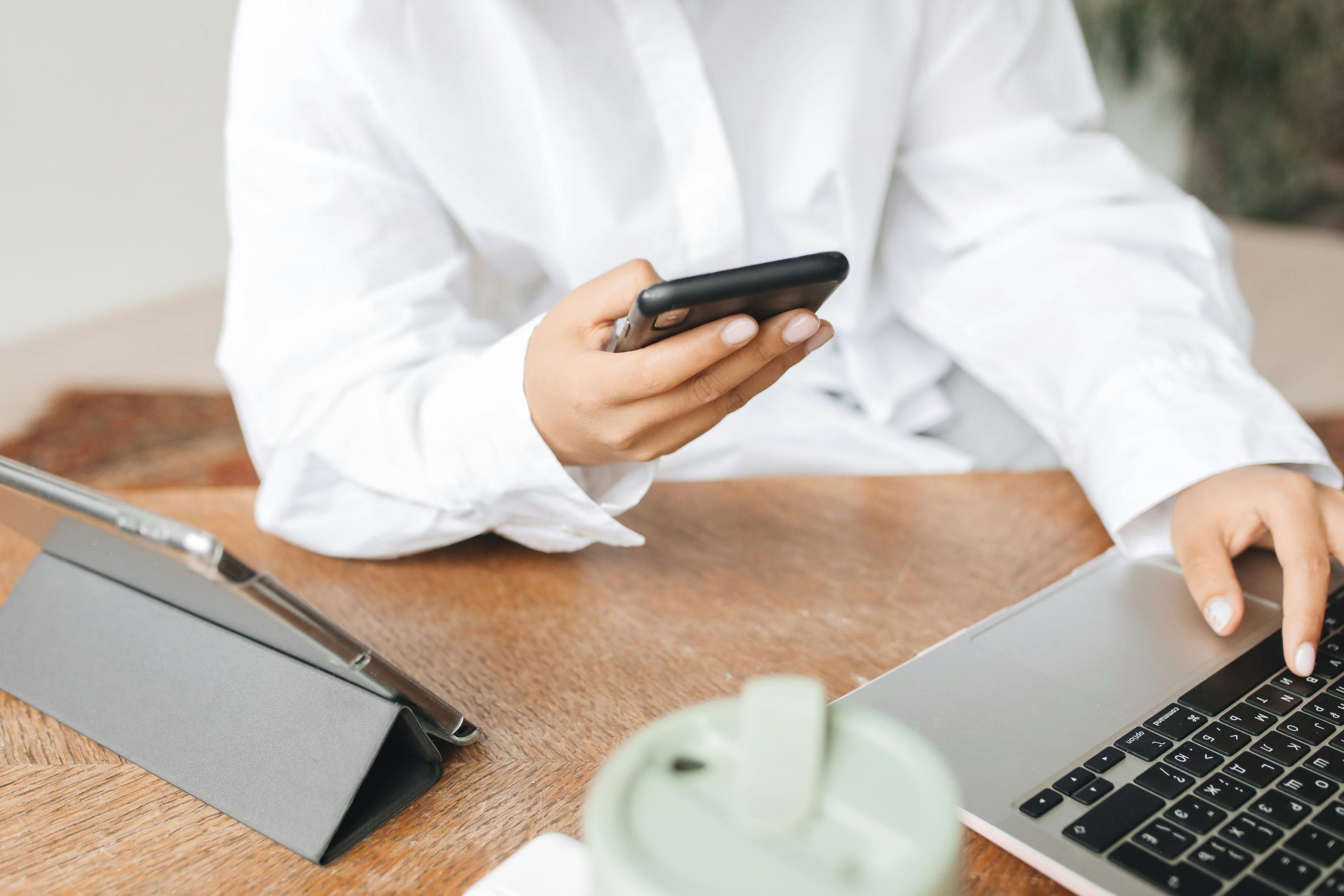
Online shopping has become a part of daily life, but not all customers shop the same way. Some prefer mobile devices for quick purchases, while others use desktops for detailed browsing. For businesses in Dubai and the UAE, understanding these differences is key to improving sales.
When planning e-commerce website development, knowing how shoppers behave on mobile and desktop will help you design a better experience. Whether you are working with an e-commerce developer, using an e-commerce builder, or focusing on e-commerce website design, customer behavior should guide your decisions.
Why Shopping Behavior Matters
Every customer journey is different. Some people browse products on their phone during lunch, while others sit at a desktop computer at home to compare details.
- Mobile shoppers want speed and convenience.
- Desktop users often look for deeper product information.
- Both platforms play an important role in e-commerce sales.
By understanding these behaviors, you can make smarter choices for your store design, checkout process, and marketing.
Mobile Shopping Behavior
Mobile devices dominate online traffic, especially in busy cities like Dubai. People shop on the go, compare prices instantly, and expect smooth experiences.
Key points about mobile shopping:
- Shoppers want fast-loading websites.
- Simple navigation is important because of smaller screens.
- Mobile shoppers prefer quick checkout with fewer steps.
- Payment options like digital wallets are highly popular.
- Push notifications from apps encourage impulse buying.
For businesses focusing on e-commerce website development, optimizing for mobile is no longer optional—it’s essential.
Desktop Shopping Behavior
While mobile shopping is growing, desktops still play an important role in online purchases.
Key points about desktop shopping:
- Customers spend more time researching products.
- They prefer desktops for larger purchases, like electronics.
- Multiple tabs allow easy comparison of products and prices.
- Product images and videos look clearer on big screens.
- Checkout is easier for those who prefer typing on a keyboard.
Desktop shopping may not be as quick as mobile, but it often results in higher-value orders.
Comparing Mobile vs Desktop
Here’s a simple breakdown of how both platforms affect e-commerce sales:
- Mobile Shopping: Quick, convenient, more impulse-driven.
- Desktop Shopping: Detailed, research-focused, often higher order values.
Businesses in the UAE should aim to offer the best of both worlds by making their websites mobile-friendly while still keeping a strong desktop design.
The Role of E-commerce Website Design
Good e-commerce website design plays a big role in customer behavior.
- For mobile: focus on speed, clean layouts, and easy checkout.
- For desktop: highlight product descriptions, images, and comparison tools.
- Use responsive design so your store works perfectly on both devices.
- Keep the same branding across mobile and desktop for consistency.
An experienced e-commerce developer can make sure your store looks great and functions smoothly everywhere.
Importance of E-commerce Builders
For small businesses in Dubai and UAE, an e-commerce builder can make it easy to create a store that works on both mobile and desktop.
- Builders often come with mobile-optimized templates.
- They allow drag-and-drop website creation.
- Many have built-in tools for SEO and payment integration.
Using the right builder saves time and ensures your website is ready for both mobile and desktop shoppers.
Marketing Strategies for Mobile and Desktop
Different platforms need different marketing approaches.
For Mobile Shoppers:
- Use SMS and push notifications.
- Focus on social media ads since most people browse on phones.
- Highlight limited-time offers to encourage quick purchases.
For Desktop Shoppers:
- Use email marketing with detailed product information.
- Offer comparison guides and longer content.
- Target people looking for big-ticket items.
This is where Marketing Strategies for New E-commerce Apps in the UAE also play an important role. Mobile apps can boost engagement, while desktop-focused campaigns can drive larger purchases.
Mobile Shopping in Dubai and UAE
Mobile usage in Dubai and across the UAE is among the highest in the world. People use their phones for everything—from groceries to luxury shopping.
- Many shoppers expect same-day delivery when ordering from mobile.
- Local payment options like UAE-based wallets add convenience.
- Mobile-exclusive deals attract younger customers.
This makes mobile optimization a must for businesses in the UAE market.
Desktop Shopping in Dubai and UAE
Even though mobile is growing, desktop shopping still matters. Many UAE customers, especially for business-related purchases or expensive items, use desktops.
- Businesses should not ignore desktop design.
- Desktops are great for B2B e-commerce in Dubai.
- Customers trust desktop interfaces for secure, high-value payments.
How to Balance Both Platforms
The smartest approach is to create an online store that works equally well for both devices.
- Invest in responsive e-commerce website development.
- Test your site on different screen sizes.
- Make checkout simple and fast everywhere.
- Offer the same promotions on both platforms.
This way, you can capture every type of shopper in Dubai, UAE, and beyond.
Final Thoughts
Mobile and desktop shopping behavior are different, but both are important for e-commerce sales. In Dubai and the UAE, where mobile usage is high, businesses must focus on mobile-first design without ignoring desktop.
Working with an experienced e-commerce developer or using an e-commerce builder can help you create a site that fits both types of shoppers. With smart design, strong marketing, and attention to user experience, you can increase sales and grow your business in the digital world.