

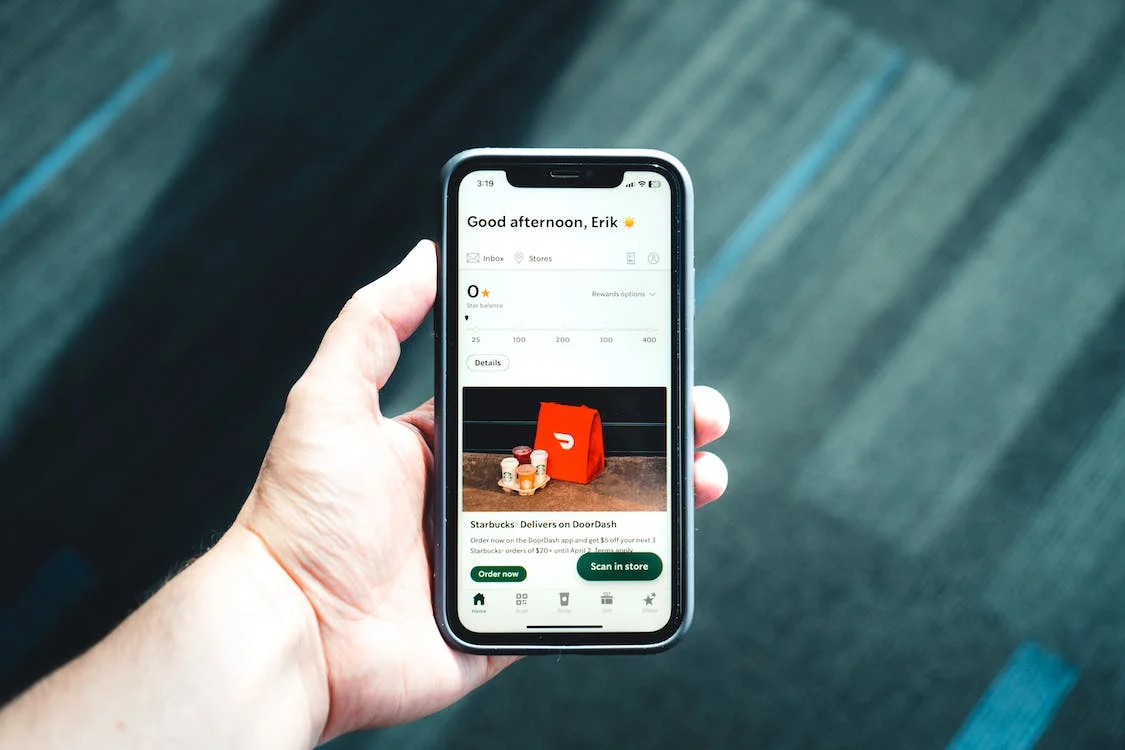

In today’s digital age, having a responsive design for your eCommerce website is not just an option but a necessity.
As more users turn to their mobile devices for online shopping, ensuring your website adapts seamlessly to different screen sizes can significantly impact your business.
In this post, we’ll explore 11 major reasons why investing in a responsive design is crucial for your eCommerce website.

If you’re looking for an eCommerce website developer or considering eCommerce website development, this guide will help you understand the importance of responsive design.
1. Improved User Experience
A responsive design ensures that your website looks and functions well on all devices, providing a superior user experience. When customers can easily navigate your site on smartphones, tablets, and desktops, they are more likely to stay longer and make purchases. This enhanced experience can lead to increased customer satisfaction and loyalty.
2. Increased Mobile Traffic
With the surge in mobile internet usage, a significant portion of your traffic likely comes from mobile devices. A responsive eCommerce website captures this audience effectively, accommodating their shopping preferences and behaviors. Ignoring mobile users can mean losing a substantial number of potential customers.
3. Higher Conversion Rates
A seamless, responsive design reduces friction in the purchasing process, leading to higher conversion rates. When your website is easy to navigate and functions perfectly across all devices, customers are more likely to complete their purchases. This can significantly boost your sales and revenue.
Recommended post: How to reduce order abandonment rate on an eCommerce website?
4. Improved SEO
Search engines, especially Google, prioritize mobile-friendly websites in their rankings. A responsive design enhances your SEO efforts by making your site more accessible and user-friendly on mobile devices. This can improve your search engine rankings, driving more organic traffic to your eCommerce store.
5. Cost Efficiency
Maintaining a single responsive website is more cost-effective than developing and managing separate sites for different devices. It simplifies your eCommerce website development process and reduces maintenance efforts. Investing in a responsive design can save you time and resources in the long run.
6. Faster Page Load Times
Responsive websites are optimized for performance across all devices, leading to faster load times. Speed is a crucial factor for user satisfaction and search engine rankings. Faster websites reduce bounce rates and keep users engaged, increasing the likelihood of conversions.
7. Consistent Branding
A responsive design ensures that your branding and visual identity remain consistent across all platforms. This consistency helps reinforce your brand and provides a cohesive experience to your customers, whether they are shopping on a mobile phone or a desktop.
8. Increased Social Sharing
Content that is easy to view and interact with on mobile devices is more likely to be shared on social media. A responsive design enhances the shareability of your website’s content, driving more traffic and potentially increasing your sales.
9. Adaptability to Future Devices
Responsive design is flexible and can adapt to new devices and screen sizes that may emerge in the future. This forward-thinking approach ensures that your website remains functional and visually appealing, regardless of technological advancements.
10. Enhanced Analytics and Reporting
Managing a single responsive site simplifies the process of tracking user interactions and analyzing data. Tools like Google Analytics can provide comprehensive insights into how users engage with your site across different devices. This data is invaluable for refining your eCommerce strategy.
11. Competitive Advantage
In the competitive eCommerce landscape, having a responsive design can set you apart from competitors who may not have optimized their websites for mobile users. A superior mobile experience can be a key differentiator that attracts and retains customers.
Conclusion
A responsive design is essential for the success of your eCommerce website. It improves user experience, boosts SEO, increases mobile traffic, and ensures cost efficiency, among other benefits. If you’re considering eCommerce website development or looking for an eCommerce website developer, prioritizing responsive design will help create a seamless and engaging shopping experience for users across all devices. Invest in a responsive design to future-proof your website and stay ahead of the competition.
For more tips on eCommerce website development and finding the right eCommerce website developer, stay tuned to our blog. Your online success starts with a responsive design!